Artificial Intelligence
AI and Elections: What Happens When Voters Can’t Trust What They See?
- AI-generated political content creates a challenge for communications teams because false messages can reach voters before anyone has an opportunity to correct them.
- AI-assisted content, political satire and deceptive impersonation carry different risks. Recognizing those distinctions is essential to an effective response.
- Protecting public trust requires preparation, including clear standards for verification, transparent use of AI and a plan for addressing misleading content.
A video of a candidate saying something they never said. A phone call in a familiar voice to voters across America. Artificial intelligence is making it harder to take political messages at face value. For communications professionals, that uncertainty creates a challenge that extends beyond any single election: how do you maintain credibility when audiences now question whether the information in front of them is real?
Political campaigns have long used advertising and targeted messaging to influence voters. AI adds another layer by making it easier to create convincing images, recordings and videos of events that never happened. Campaigns and organizations now need to consider both how they use these tools and how they will respond when others misuse them.
When Campaign Content Becomes Harder to Verify
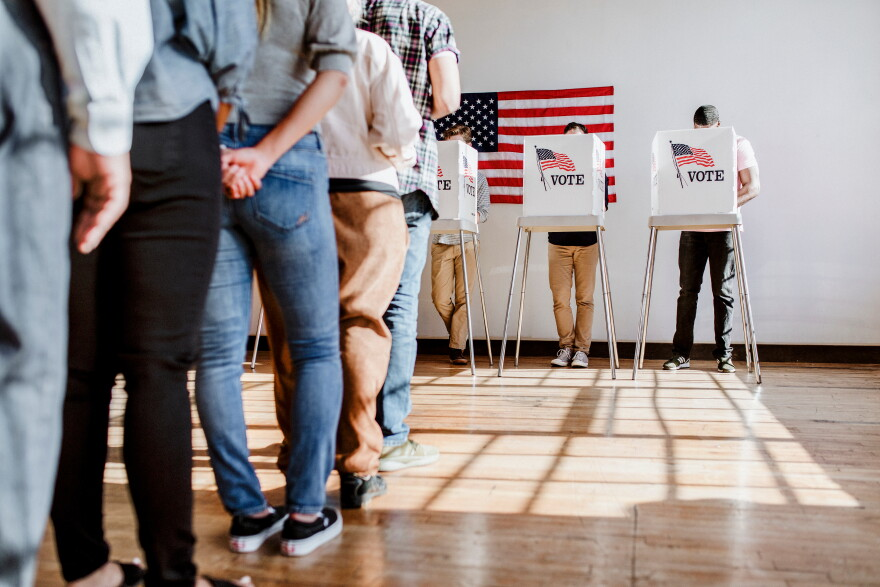
Just last week on November 3, 2026, millions of voters across the country went to the polls, but this election was different. AI-generated ads flooded the internet during this election cycle. According to The New York Times, the Republican Party spent $137 million on AI generated campaign content for the midterm election.
In New York's gubernatorial race, Republican candidate Bruce Blakeman's campaign used AI-generated versions of Governor Kathy Hochul and New York City Mayor Zohran Mamdani in political advertising. One video depicts the two walking through a park and discussing affordability. While the ad isn’t real, it looks convincing enough that someone scrolling through social media could easily mistake it for an actual conversation. This raises a bigger concern about how AI is being used to mislead voters and spread misinformation during elections.
A different use of technology emerged during the 2024 presidential election. Ahead of New Hampshire's Democratic primary, voters received phone calls using an AI-generated imitation of then-President Joe Biden's voice to discourage them from voting. The FCC subsequently took enforcement action over the calls.
These examples raise different concerns, but both demonstrate the importance of establishing who actually created a message. When AI can imitate a candidate’s face or voice, voters cannot assume that a message was created or approved by the person it appears to represent.
Not Every Use of AI Carries the Same Risk
Using AI to help draft campaign materials is very different from creating a recording that falsely attributes a statement to a candidate. Clearly labeled satire also differs from impersonating a public official with the intent to mislead voters. When used responsibly, it can help campaigns communicate more efficiently, make information more accessible and even encourage political participation.
Those distinctions should shape the response. Before addressing questionable content, communications professionals need to establish what has been altered, how it is presented and whether audiences are likely to mistake it for a real message. Those kinds of disclosures provide useful and necessary context, but teams should also consider whether that context will remain visible when the content is clipped or shared across social media.
Protecting Our Democracy in the Age of AI
One of the most significant risks of AI misuse in elections is the loss of public trust. Our democracy largely depends on voters having access to accurate information about candidates, policies and election procedures. When fabricated content spreads, it can undermine confidence in both political leaders and the institutions responsible for running elections, making it harder for voters to make informed decisions.
That uncertainty can also cast doubt on authentic information. Voters may dismiss genuine recordings or statements as AI-generated, leaving even verified facts open to question. Over time, this skepticism risks discouraging participation in the democratic process altogether.
AI will continue to change how political messages are produced. The responsibility of communications professionals remains clear: verify what they share, be transparent and make reliable sources easy for voters to find. These responsibilities extend beyond election day. Once credibility and public trust are lost, a correction alone will not be enough to restore it.