Media Industry
Who Gets to Tell the Story Now? How Substack and Podcasts Changed the Media Gatekeeping Model
By: Kezia Kent
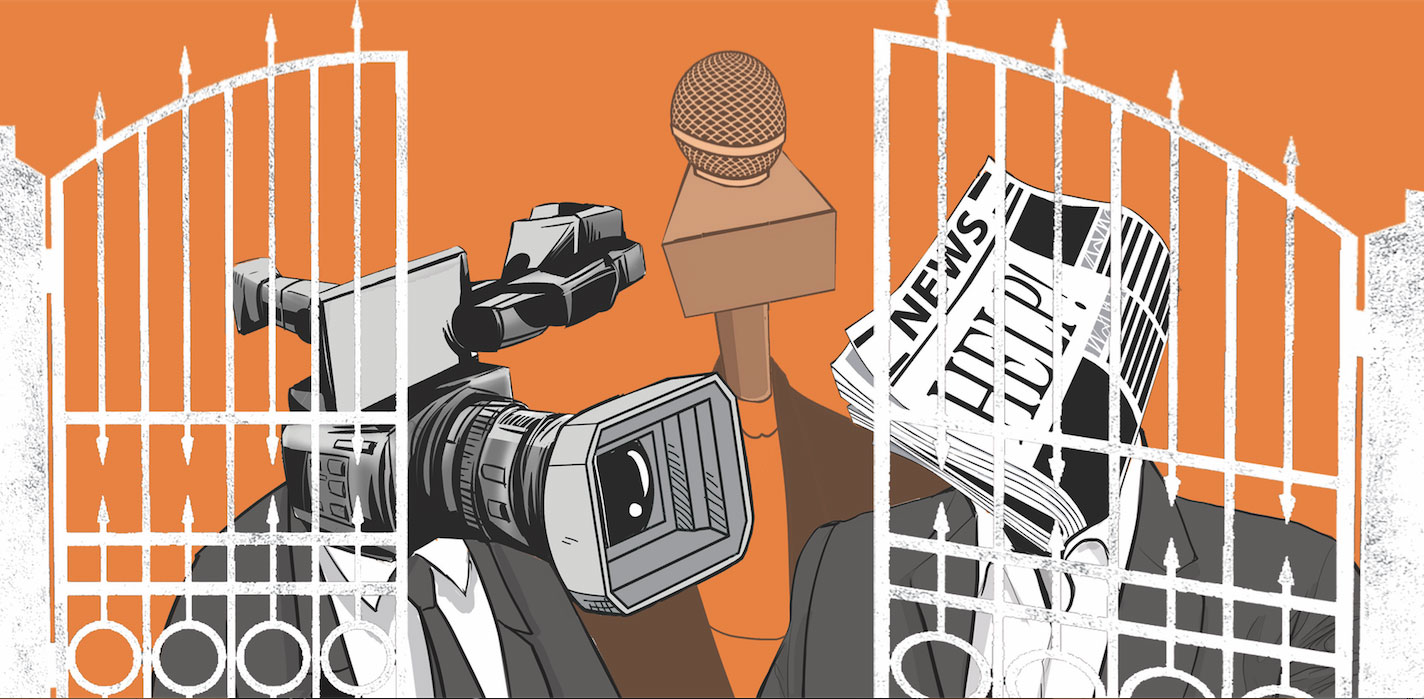
For a long time, storytelling power followed a predictable path. A small group of institutions decided which voices were worth amplifying, which narratives shaped public understanding and which perspectives stayed on the margins.
That system still exists, but it no longer operates on its own. The center of gravity has moved, even if the old structures remain in place.
A podcast interview sets the tone for a news cycle. A Substack post circulates among policymakers before a traditional outlet picks up the thread. A creator with a loyal audience can drive as much or more engagement as a mid-tier publication.
This is less about replacement and more about expansion. The number of people who can publish, distribute and sustain attention has grown in a way that would have been difficult to imagine a decade ago.
That growth shows up clearly in audience behavior. The Reuters Institute’s Digital News Report found that a large majority of podcast listeners say the format helps them understand issues more deeply, pointing to a clear appetite for content that goes beyond headlines and soundbites.
That kind of engagement changes what storytelling looks like in practice. Podcasts create space for time, context and voice. Newsletters offer a similar advantage in written form, giving authors room to develop arguments and build direct relationships with readers without the required filter of an editor at a traditional news media outlet. That connection is not shaped by the same algorithms that determine what surfaces in feeds and “for you” pages, where visibility is still filtered through platform-driven gatekeeping. Rather, the appeal rests in proximity — the direct relationship audiences feel to journalists.
At the same time, the broader media environment has become more fragmented. The same Reuters research points to declining engagement with traditional outlets alongside growing reliance on alternative platforms including podcasts and personality-driven content.
That fragmentation has real implications for how stories move. A narrative might begin as a podcast conversation, circulate through social platforms and later land in a traditional outlet once it has already built momentum. The sequence has changed and so has the starting point.
Trust plays a role here as well. More and more younger audiences are turning to individual creators and online personalities as news sources. Many place value on familiarity and consistency over institutional authority.
That shift does not erase the influence of established media. Coverage in major outlets still shapes public discourse in ways that independent platforms often cannot. What has changed is how credibility is built and where it begins. It can emerge from a newsroom or develop through sustained engagement with an audience over time.
For communications professionals, this creates a more complex set of decisions. Placement still matters but it no longer stands alone as the primary goal. The more relevant question is how a story is introduced, where it gains traction and how it evolves as it moves across platforms.
Owned channels including podcasts and newsletters now play a larger role in that process. They offer continuity and allow organizations and individuals to stay in conversation with their audiences rather than appearing only when a story is picked up. That continuity can shape how future media coverage unfolds since journalists are increasingly sourcing from conversations that are already happening in public.
The result is a media environment that feels more open and more crowded at the same time. More voices are participating, which expands the range of perspectives in circulation. That same expansion makes attention harder to earn and even harder to sustain.
In this context, access is no longer the defining challenge. The ability to publish is widely available. What separates one story from another is clarity, relevance and the strength of the narrative itself.
Podcasts and platforms like Substack have widened the field of who gets to tell stories. The question that follows is more demanding: who can hold attention long enough for those stories to matter?